Is producing new objects in our world of overconsumption and overproduction green?
Spring has arrived with its share of existential and important questions. Balberg shop blew out its first candle in February 2023, and I'm grateful to you for accompanying me on this artistic, creative and independent adventure.
So this spring is a time for me to take stock, to grow from my first year's experience, to adjust, to keep an eye on my trajectory... That explains my silence of late!
The big question on my mind was how to add products to a world that overproduces. Does producing new toys in a largely saturated market make ecological sense? In short, is my approach really eco-responsible?
In fact, I pay attention to every product we consume, whether for food, hygiene or our material needs: equipment and clothing. Before I buy, I ask myself: how is this object produced? where is it produced? under what social conditions? what is its environmental impact? And, above all, I ask myself: do I really need it? do I already have something I don't use that could fulfil the same function, for example, by diverting it? or how could I manage the end-of-life of this object? Etc.
It was necessary for me to remember why I make objects and why they make sense in our society.
Since I've been producing objects and toys, I've become even more aware of what I'm consuming, of what's being produced in the world every second of every day. And it makes you dizzy, a hallucinatory fever.
The current trend is towards sobriety in words (not in deeds for everyone on this planet, we're well aware...) and it's an approach I'm committed to as a consumer and also as a designer.
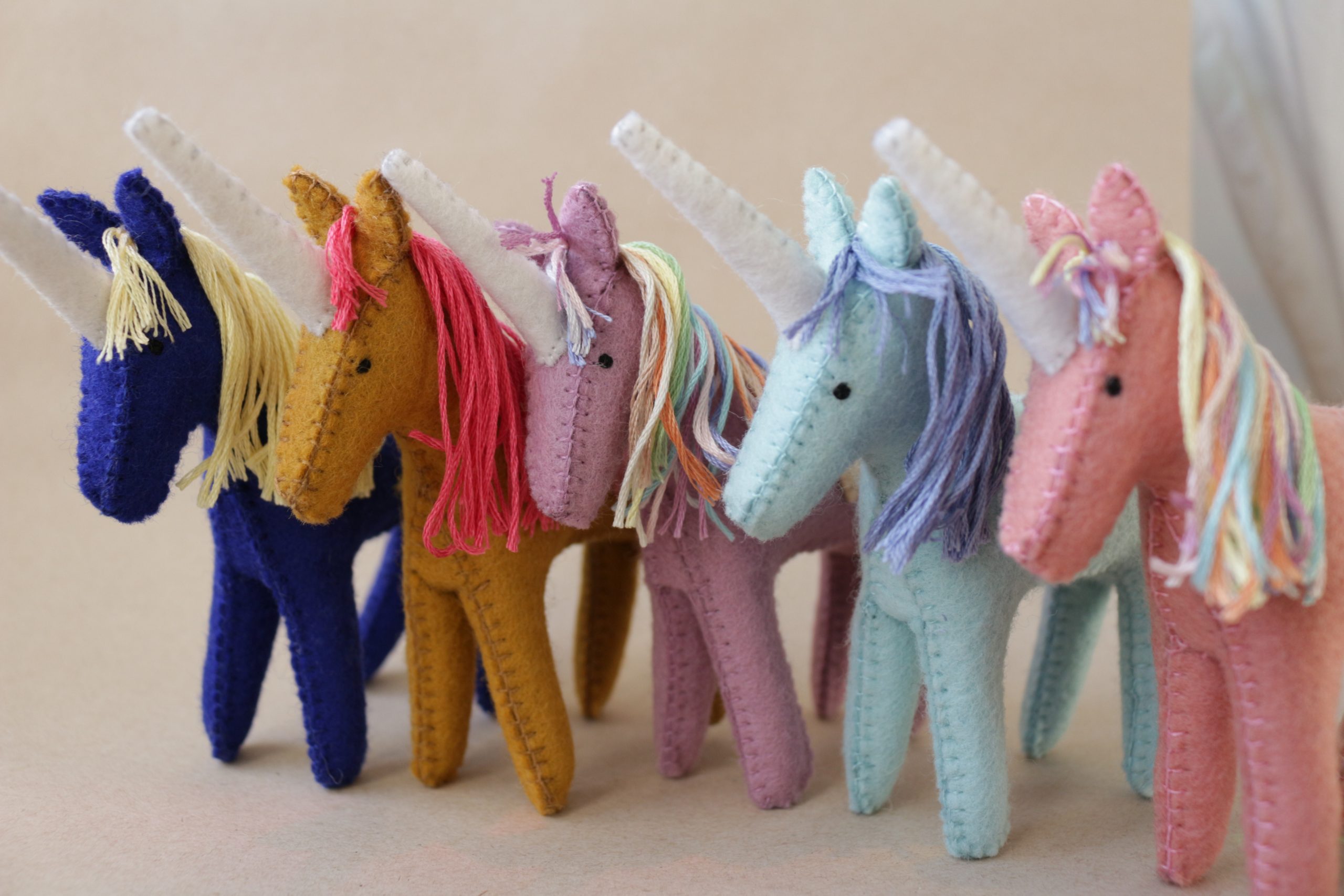
Balberg shop is a step away from the unreasonable mass production of the toy industry. It's a consumer alternative in many ways. Balberg shop offers you..:
-Support a craftswoman at a fair price, rather than large retailers who produce toys under unjust and abusive social conditions.
-Supporting local creation and production, safeguarding local know-how and culture (before the industrialization of toys in France, the poorest parents made toys for their children themselves, while the richest bought from small manufacturers) rather than buying toys made on the other side of the world in polluting factories.
-Choose materials that are healthy and natural for children, rather than those known to be hormone disruptors and polluting throughout the toy's life because of their petrochemical origin.
Choose free, non-gendered toys: they will be playmates for all children through the ages and according to their imagination. Rather than toys marketed according to the child's sex and age, with a specific and limited use.
There's a lot of talk about the textile industry, and the huge problems fast fashion poses for our environment and our health. Let's talk about the toy industry!
I've chosen to take up the subject and invite you to follow me in this movement of reflection and alternative, conscious consumption of authentic, simple, quality toys for your children.
Thanks for reading, feel free to come and discuss it with me on Instagram ♡